
Berlin Baby
Berlin. 2025. History wherever you go. Like in many other major European cities you can't move a single cobblestone without revealing endless stories of the past. The future in such areas is always relative, it never exists without the things and stories that have existed before. Every decision comes with numerous consequences, consequences for the present, for the future, but also for the past. Change becomes difficult, if it happens at all. And yet change happens, but often not in the way it is or was intended.
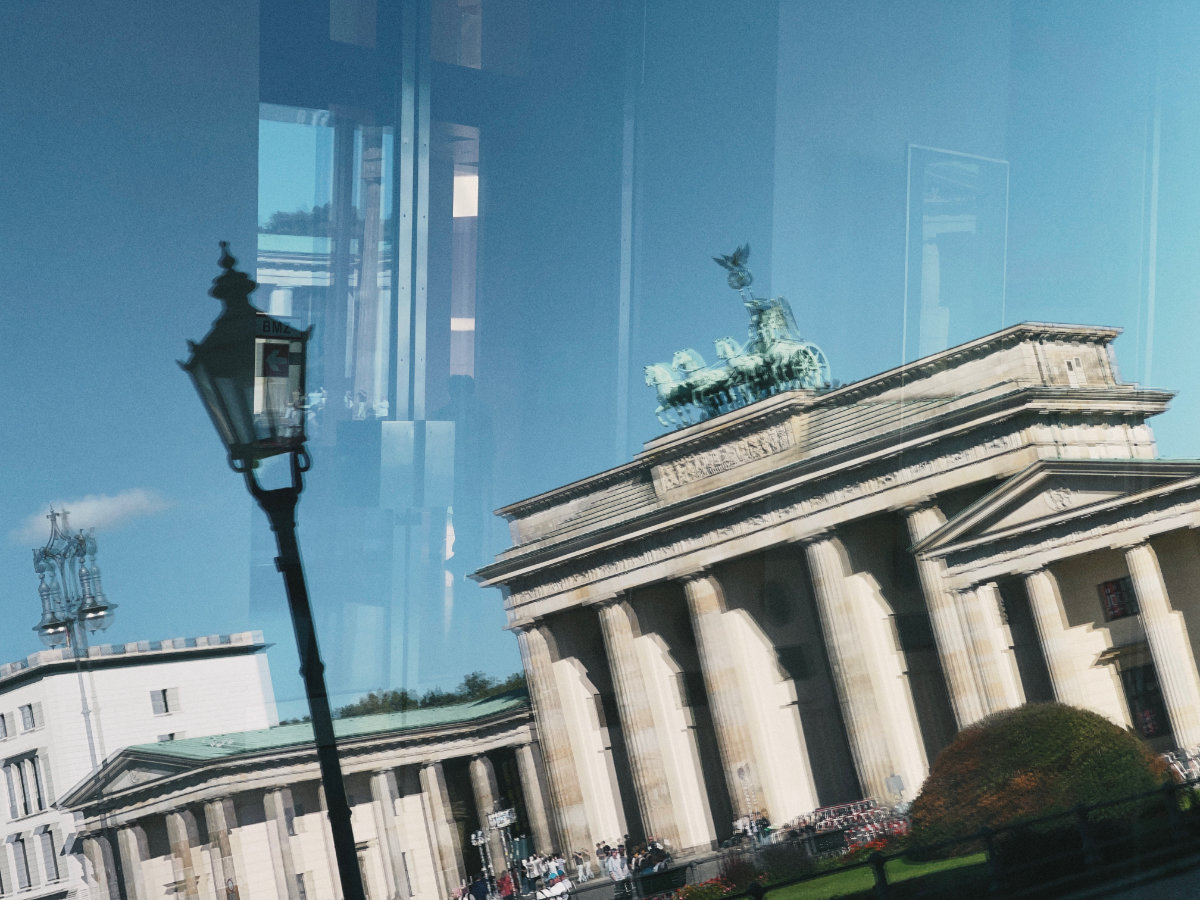 1/324 s, f/2.2, ISO 20, 64 mm, iPhone 12 Pro Max
Let's have a quick look back on the 20th century. After WWI Berlin has developed into one of the leading European capitals during the roaring twenties. The 1920s and 1930s were a bustling phase full of life, culture, art and a radical shift towards modernity away from the influences of the old German Empire. In 1933 Hitler's takeover happened. WWII began and Europe lay down fallen into ruins. At first Berlin was still prospering following along all the promises of Hitler's thousand year Reich. Huge amounts of infrastructure were planned or even built in the early years of the regime. But even during that phase for many it was already clear that under such circumstances, under such a despotic rule future development is just not possible. The first emigrations started, Berlin and Germany as a whole lost their most brilliant minds as they were the first to realize that nothing good can develop out of such crimes. In the end the unavoidable war, the war Germany has asked for, begged for and all the brutal bombings that followed put these fleeting promises to a quick halt. Berlin was devasted, major parts of the city were destroyed. Here Berlin has not just lost buildings, streets, bridges, for a long time Berlin has lost its soul. Berlin ceased to exist. It became just another spot on the map, nothing more. After WWII Germany got divided into two parts, East and West Germany. Berlin got divided, too. First into four sectors, later into East Berlin and West Berlin. 1961 the Berlin Wall was built. West Berlin became a strange peninsula in the midst of a socialist country of the East. Development was frozen in, the Cold War put Berlin in a limbo state, continuously struggling to survive. Famously in 1989 the Berlin Wall fell, Germany became united again, Berlin became the new capital of a Germany that oriented itself clearly to the west, this time as a whole. Especially all the people of the former eastern part of Germany not only started struggling but also felt neglected, disjointed and left behind in many ways. Conflicts arouse that are still ongoing to this day. But in Berlin big city planning happened again. The city wanted to become one again, wanted to start fresh after these miserable decades. The new unity of the country should be symbolized by a reunited Berlin. Two cities needed to become one again. Many areas were transitioned and transformed, a lot of new ideas were bubbling up and the positive vibes of the time allowed at least some of them to become reality. The city felt fresh, new and exciting again. It tried to wipe out all the heroic pathos of the past, it tried to forget the scars of the divide, it tried to become intelligent, liberal and bottom up. A decade or maybe two decades of reinvention happened maybe still having in mind the glorious days of the 1920s. Paris, London, Berlin, that was the chain of thought. And it seemed to work. All of a sudden Berlin felt young and innovative, spontaneous, creative and attractive. Unfinished was no longer a problem but much more a chance for future development.
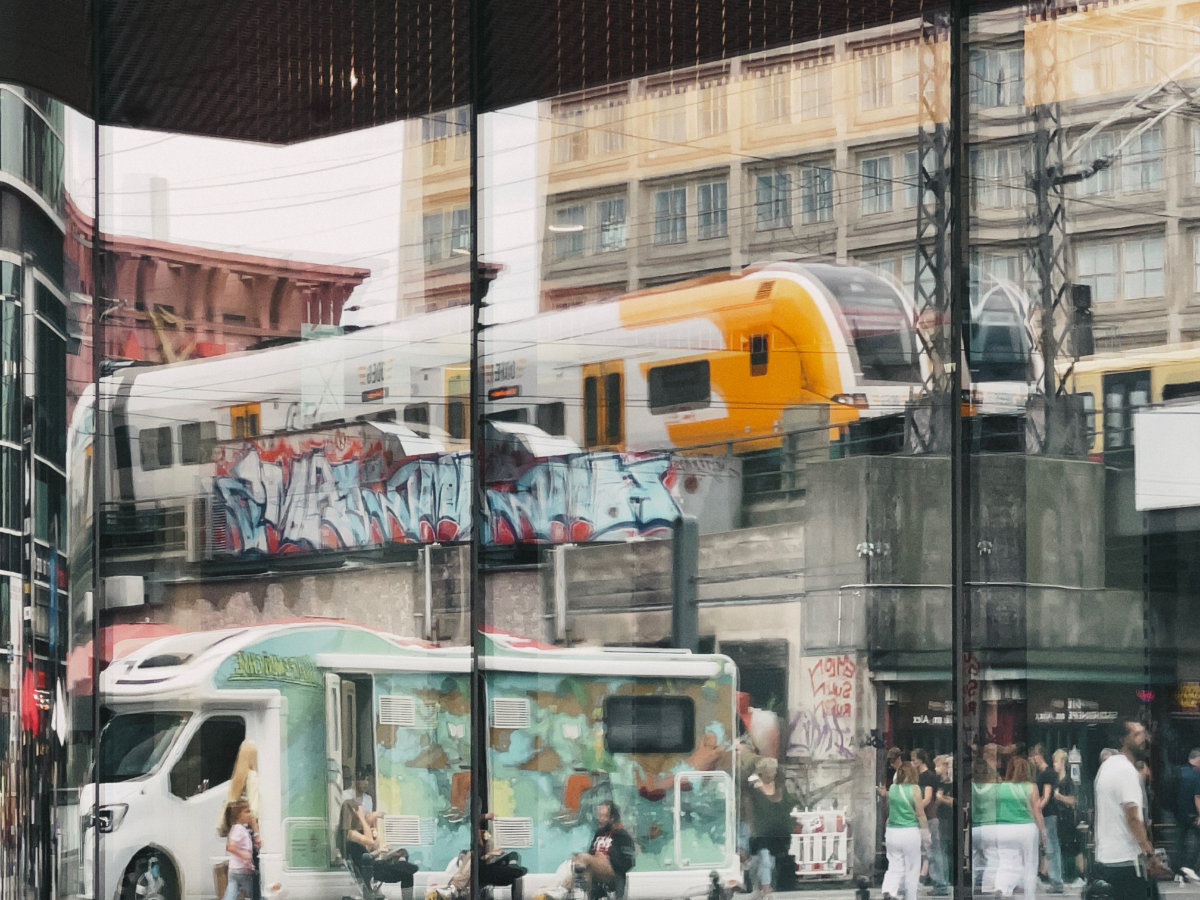 1/121 s, f/2.2, ISO 50, 129 mm, iPhone 12 Pro Max
All this brings us to the present day. How does Berlin feel now in 2025? I don't visit Berlin every year, maybe it's been three or even five years since I've last been there. I always go there as a dumb tourist, visiting all the major attractions every tourist in the world wants and needs to see. But I think this longer timescale in between my visits helps me to get a more distant and broad view of the city. Of course all I have to say, all my impressions are highly subjective or even arbitrary depending on the route I took through the city, depending on what I saw, missing out all the things I didn't see and didn't experience.
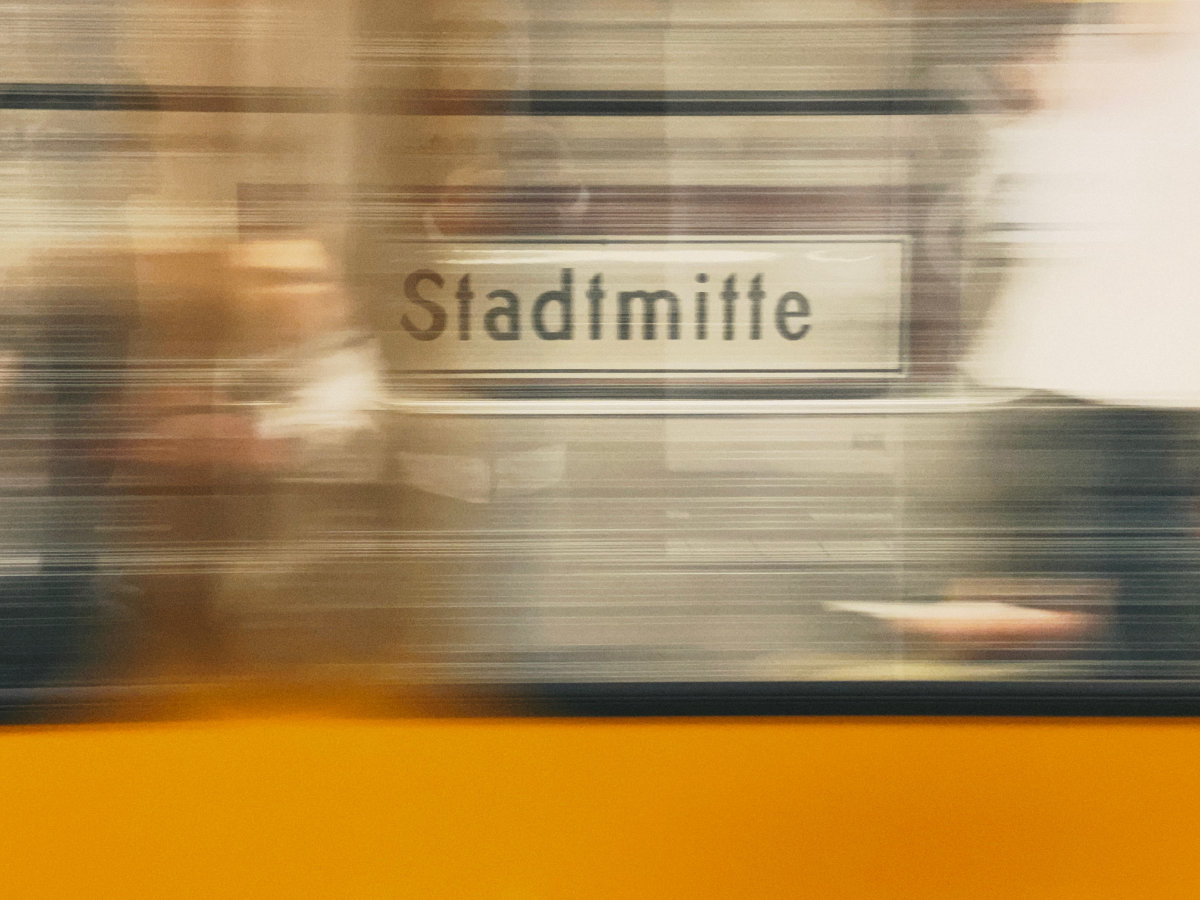 1/25 s, f/2.2, ISO 400, 64 mm, iPhone 12 Pro Max
In many areas Berlin today feels too big, too spacious and not tight and intense enough. Too much infrastructure, too much real estate, too many streets, too many grand places have been built and consolidated over the past few decades. It seems like Berlin is struggling to fill all that built city environment with enough life. Though Berlin is still young and fresh and moving fast it seems like this movement, this kind of improvisation of getting along with what's there is slowing down. There seems no longer the need to tweak the city, to hack it, to deconstruct or reconstruct it. The city today feels mostly finished (besides those areas where it feels not). To me many formerly vibrant areas now have become segregated, well planned, taken away from the people they inhabit those areas and forwarded to investors and retail strategists whose main interest is no longer the city and city life anymore. Overall to me Berlin just feels a bit deserted these days, there seems to be too much city for not enough Berliners. And keeping that in mind at the same time there's a big housing crisis going on with not enough affordable housing for those who could make the city a livable place again.
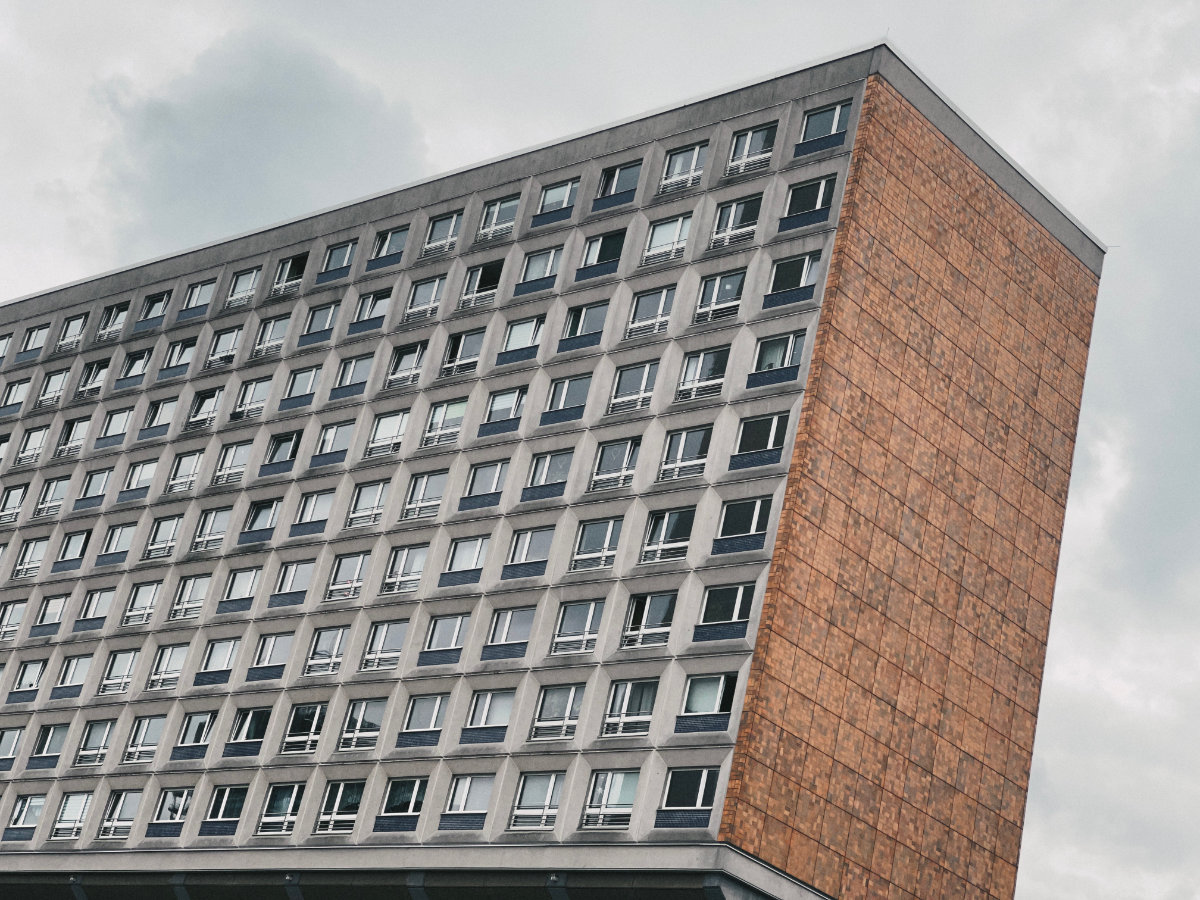 1/664 s, f/2.2, ISO 20, 64 mm, iPhone 12 Pro Max
I have to admit that these casual impressions are nuances, tiny fractions of a broader, more concrete picture. These are just current tendencies and trendlines. All of this can be different in another five years, who knows. But nonetheless it's quite interesting to discover such changes and get an idea of how fragile and inconsistent the body of a city can be. Even more so in a city like Berlin with that much history and transformations. I still think there's potential for Berlin, there's still room to grow and develop. But maybe it's also time to acknowledge the informal forces that make a city interesting or plain boring. A big city needs to make room for those. It's a bit like cultivating mushrooms, they need some shadow as well. All these lost places with some remnants of the past more and more fade away these days. They are getting replaced by soullessness, shinyness and newness. But all that new and shiny is no longer shiny in a couple of years from now. It will just become another boring place which once was new. And especially in Berlin it doesn't have to be that way. Berlin is so big, so vast, so green with so much space, there's no need to replace something old with something new. Both can exist side by side at the same time. Maybe it's just the lack of density that I'm missing.
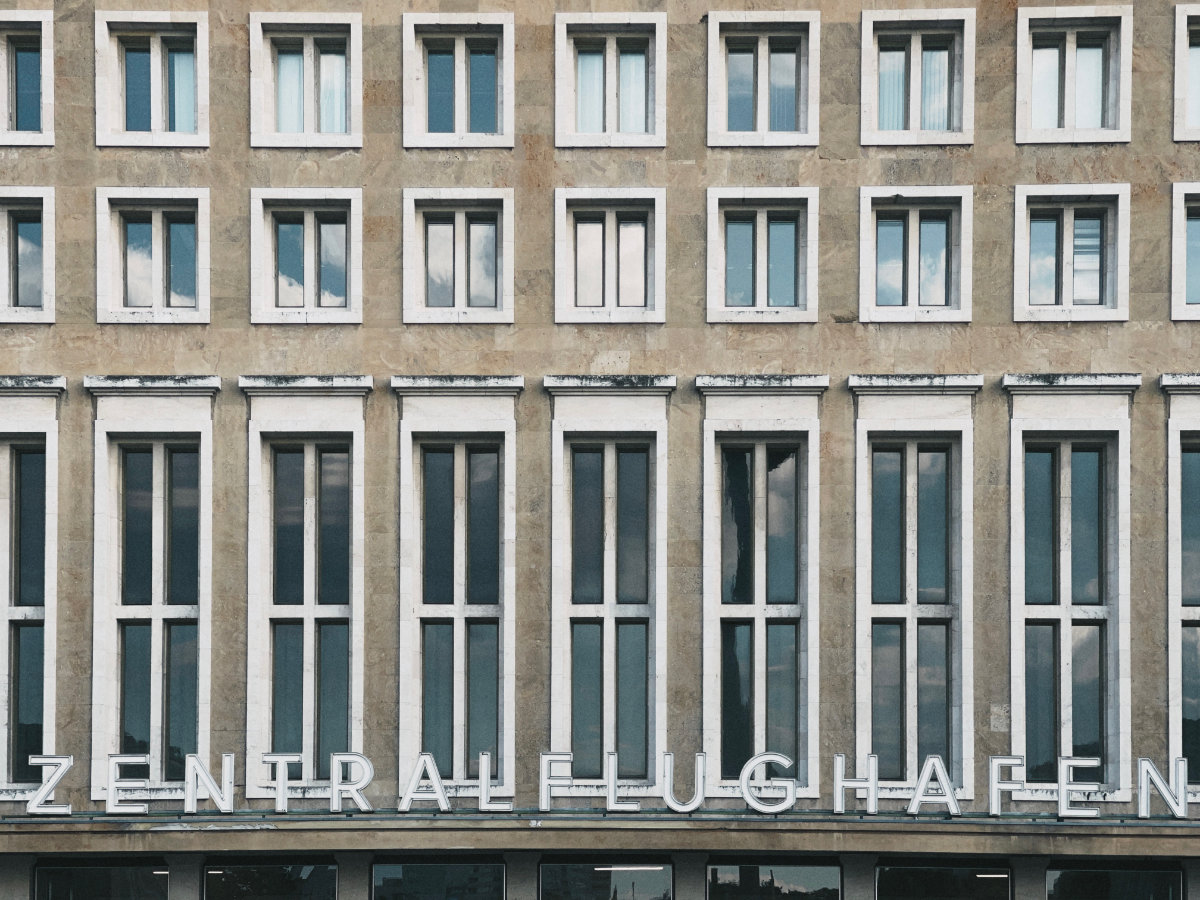 1/279 s, f/2.2, ISO 20, 64 mm, iPhone 12 Pro Max
I understand this German impetus to clean everything up, to make everything pretty and orderly. But this is Berlin. This is an aspiring international capital. This is a big city with people from all over the place. A city like that needs room and time to unfold, room to be dirty and filthy, room to grow not so much in size but in quality, in character. All of this won't happen overnight but I guess it's important to set the constraints right. Saving some space for informal life now and we all are going to profit in the future.
Back home. I was hoping so much that Berlin is on a dedicated path to develop into one of these bustling international cities, that Berlin has a chance to become a second Paris, a second London. But coming home from my trip this year I have to admit that this is probably not going to happen. Or at least won't happen soon. Don't get me wrong, Berlin is lovely, even wonderful in certain areas, even pictureseque in other areas. It still has this domestic charme, this flippant attitude that heavily pushes against too much change, too much modernism, that comes up with its very own opinions and crude ideas how to successfully solve problems. And I love and admire that grassroot attitude maybe because I myself don't have that much of it. Back home I for the first time felt that I have to accept that Berlin is not Paris, that it is not Chicago, Hong Kong or Shanghai or Singapore, and also it is not New York even if to me Berlin in certain areas has some similarities to New York during the 1980s.
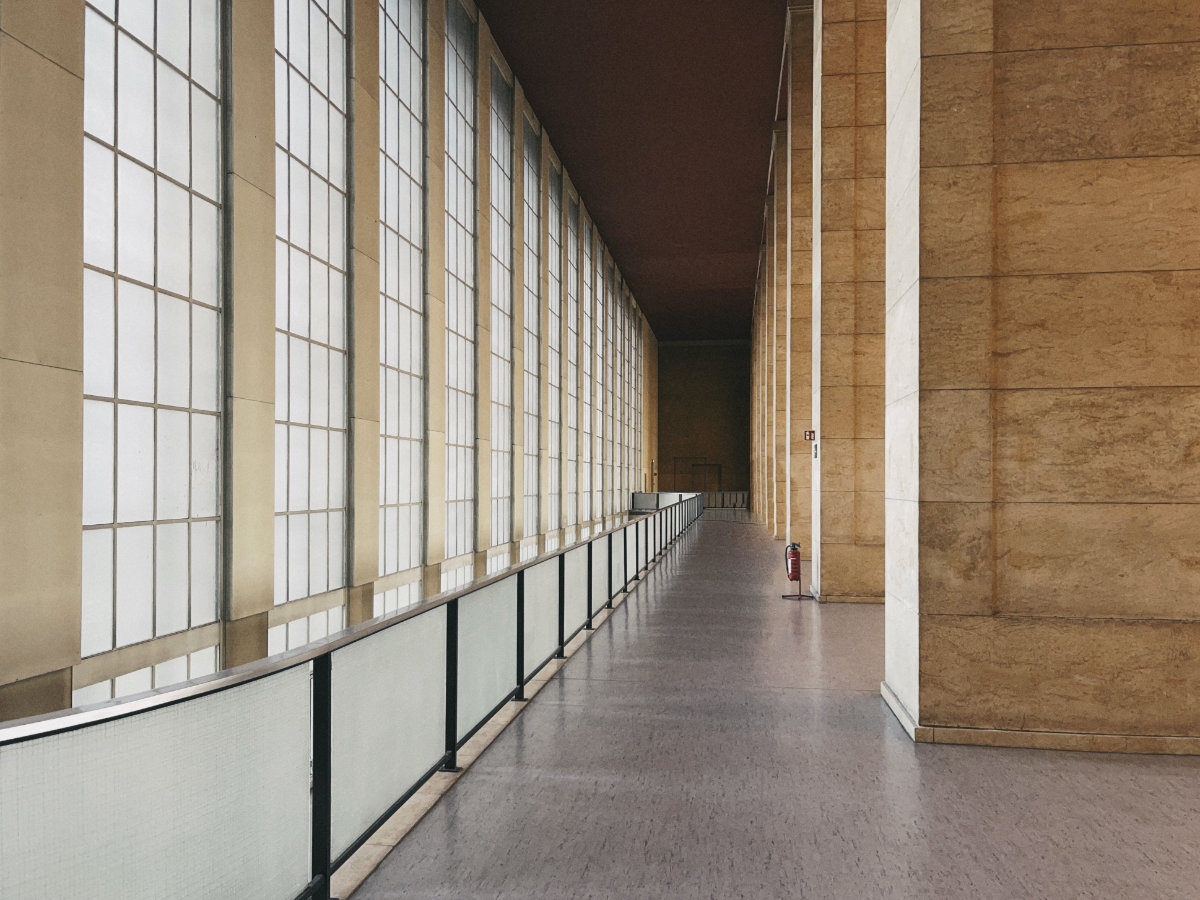 1/92 s, f/1.6, ISO 125, 26 mm, iPhone 12 Pro Max
But I want to stop looking back and draw silly conclusions and comparisons. Berlin is what it is. It's special and still full of subculture and I have to love it or hate it for what it is. I'm still hoping to see Berlin to remain or become a point on the map for international travellers, for young, creative communities, for ideas of the future. This pulse of Berlin, which is still there, that's what I'm hoping to feel and experience when traveling Germany and beyond. I hope Berlin is seen more as a model, as an incubator and not so much as a fascinator.