
Lajos Keresztes and Me
Bad lighting, terrible coating, the wrong camera, the wrong lens and reflections all over the place. So what could possibly go wrong! Exactly, nothing went wrong and everything turned out to be fun and entertaining in the end. Be unprepared and deal with it. At least that's one way to happiness.
Earlier this week I've been to another exhibition, this time about the Hungarian and later German photographer Lajos Keresztes. The retrospective about his work is called "Echos" and is presented in the Kunsthaus in Nuremberg.
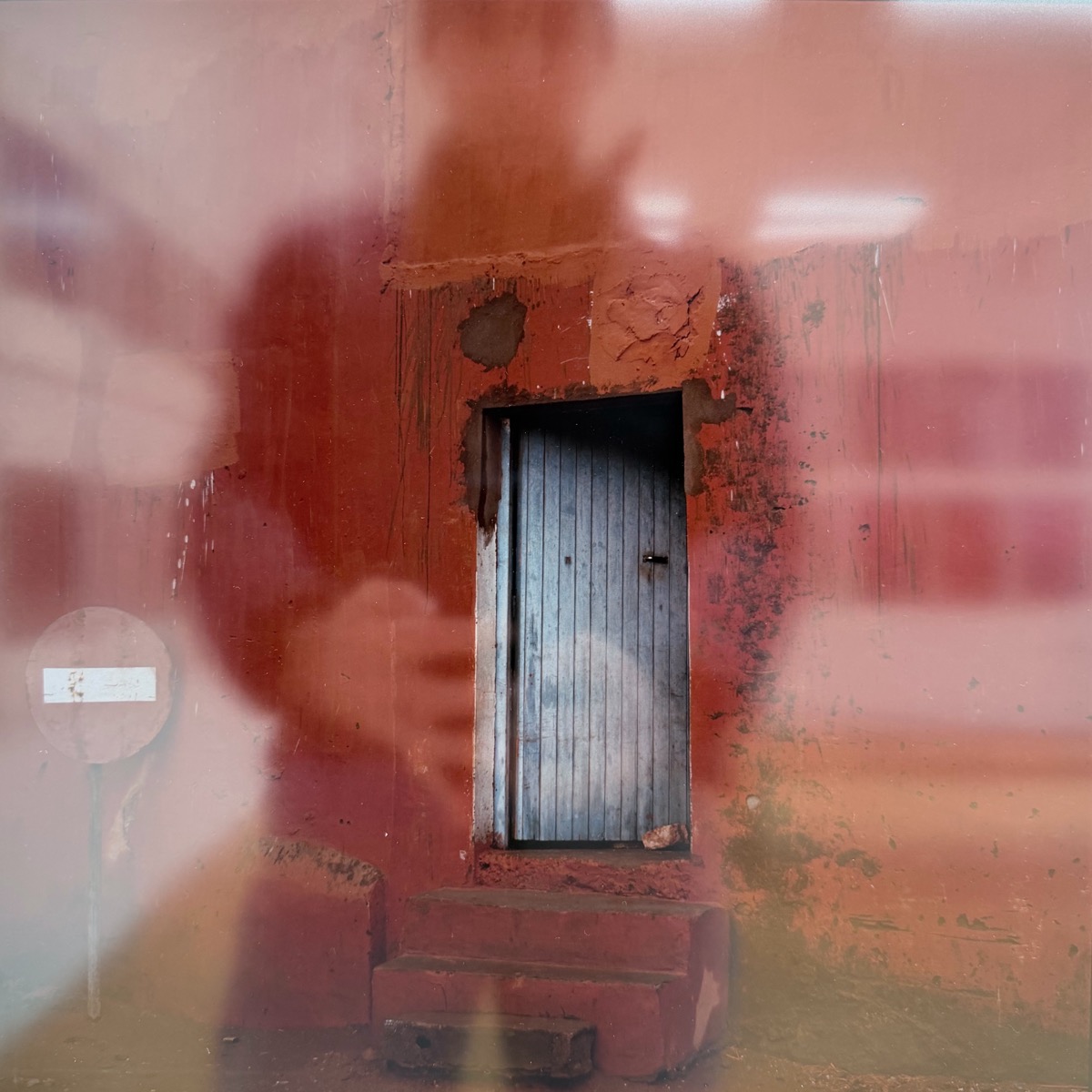 1/50 s, f/1.78, ISO 125, 24 mm, iPhone 17 Pro Max
So far I was only vaguely familiar with Lajos Keresztes' work. I remember my parents having a book at home that he did years ago together with his friend and painter colleague Oskar Koller. These two friends made a trip to Morocco in 1983 and documented their artistic findings in a two fold book with the German title "Die Marokko-Reise des Fotografen Lajos Keresztes / Die Marokko-Reise des Malers Oskar Koller". One half of the book describes the visual interpretations of the photographer Lajos Keresztes, the other half consists of the paintings of the painter Oskar Koller. And I loved that book so much, actually both parts of it. In the end maybe Keresztes' very focused and always aesthetic approach has influenced my own artistic journey more than I've realized back then and now.
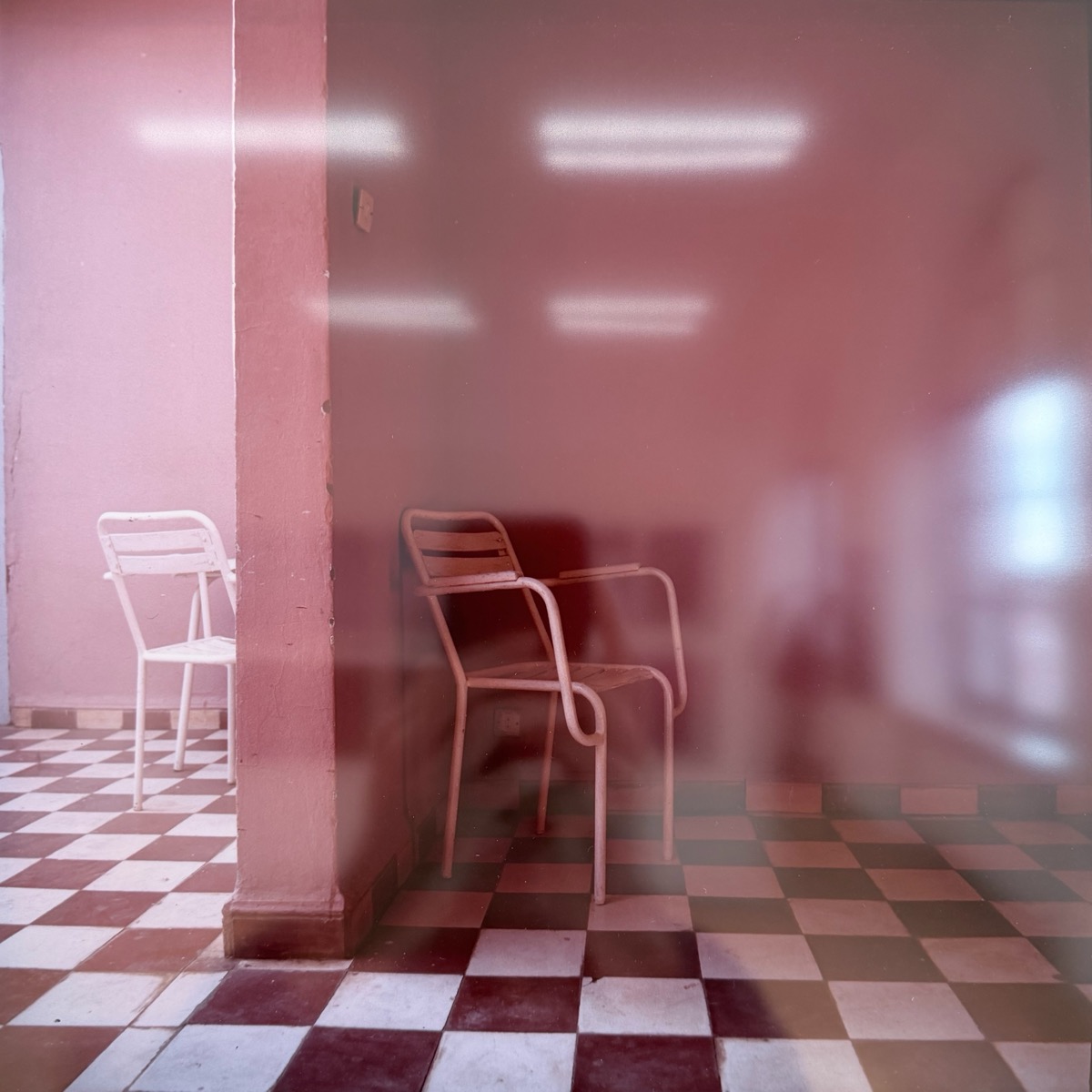 1/121 s, f/1.78, ISO 200, 24 mm, iPhone 17 Pro Max
After watching the exhibition I was looking for the old book again and even found it neatly sorted in my family's bookshelf. And I still felt the same closeness, the same empathy for those works and its whole artistic approach. It felt like coming back, coming home after feeling lost and insecure for so many years. His work gave me hope and confidence that maybe my own little approach is not a complete failure, not a complete loss and a huge waste of time and energy. Maybe it's still worth persuing despite the fact that I'm not first or not the only one finding all this beauty in all those many details of the visual world.
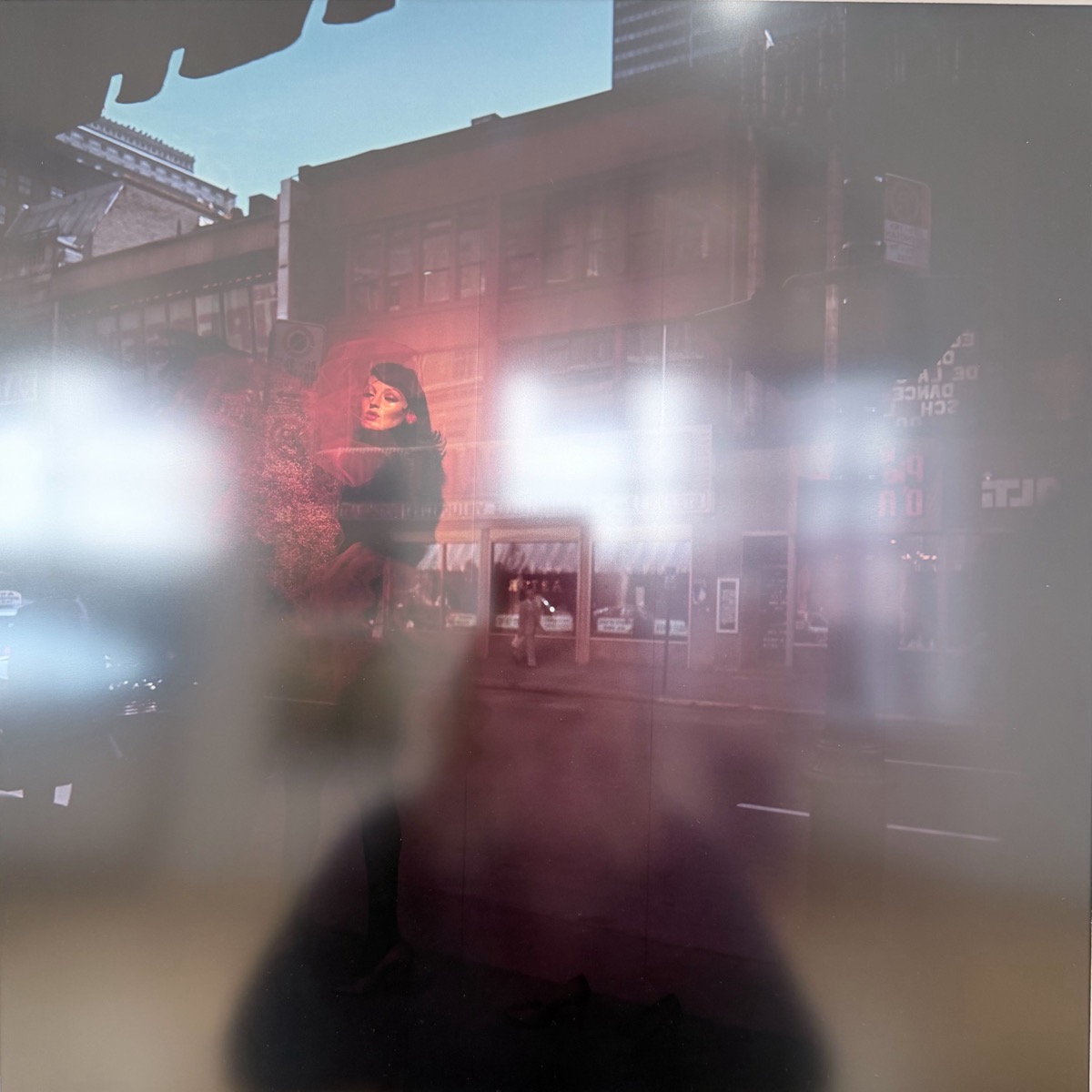 1/100 s, f/1.78, ISO 160, 24 mm, iPhone 17 Pro Max
What's actually pretty annoying, to be honest, is that Lajos Keresztes did all his work already 30 to 40 years ago. In an age without Instagram and all the visual input that we have today. And he more or less exclusively used analog techniques and film, a medium format Hasselblad camera, various 35 mm setups and actual Polaroid images. In the 1980s and 1990s there was simply no other choice, there was no digital equipment yet. Editing back then must have been so cumbersome. He must have put so much effort and money into developing all those films, narrowing down his subjects visually and framing his images so meticulously. I deeply admire that kind of devotion and at the same time wonder if I had the same energy, the same vigor to cut through all these obstacles back then. I mean, even a trip to Morocco back then must have been a huge undertaking and a at least a little bit heroic and esoteric endeavor. By far not as common as traveling has become today.
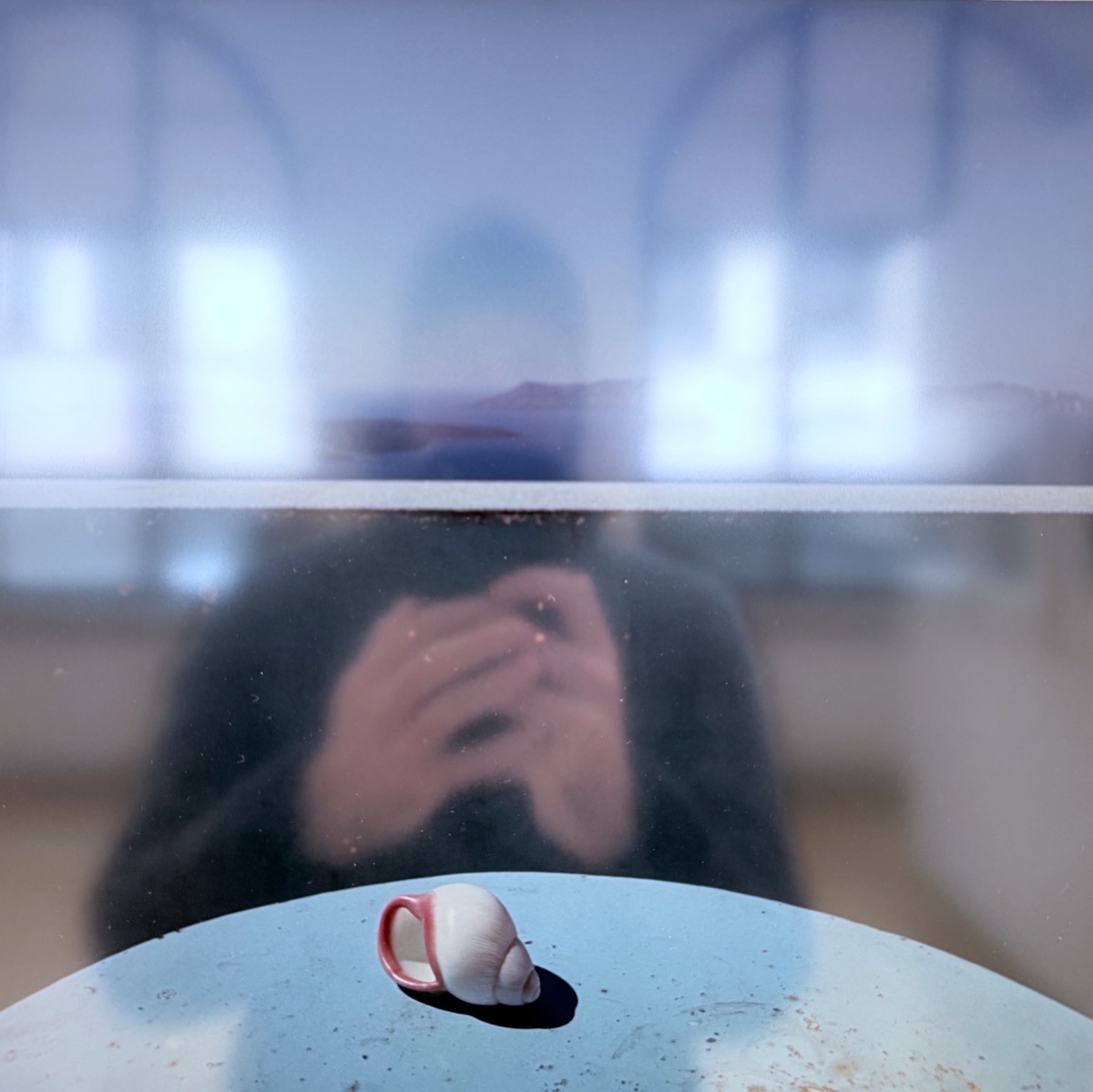 1/100 s, f/1.78, ISO 250, 24 mm, iPhone 17 Pro Max
Anyway take a look at his images yourself. Lajos Keresztes has his own website here with some carefully selected high resolution imagery from several book publications. As a part of this post I will just include some snaps from the exhibition without trying to compete with Keresztes' very own visual narrations. You will find not only his images but as a bonus also my ghostly figure in the way too prominent reflections of his photographs. In this case I like this combined approach of the obvious, what's physically there and the otherworldliness, what's just there as an image, as a reflection. It gives some sense of the location as well which feels like a nice touch to me.
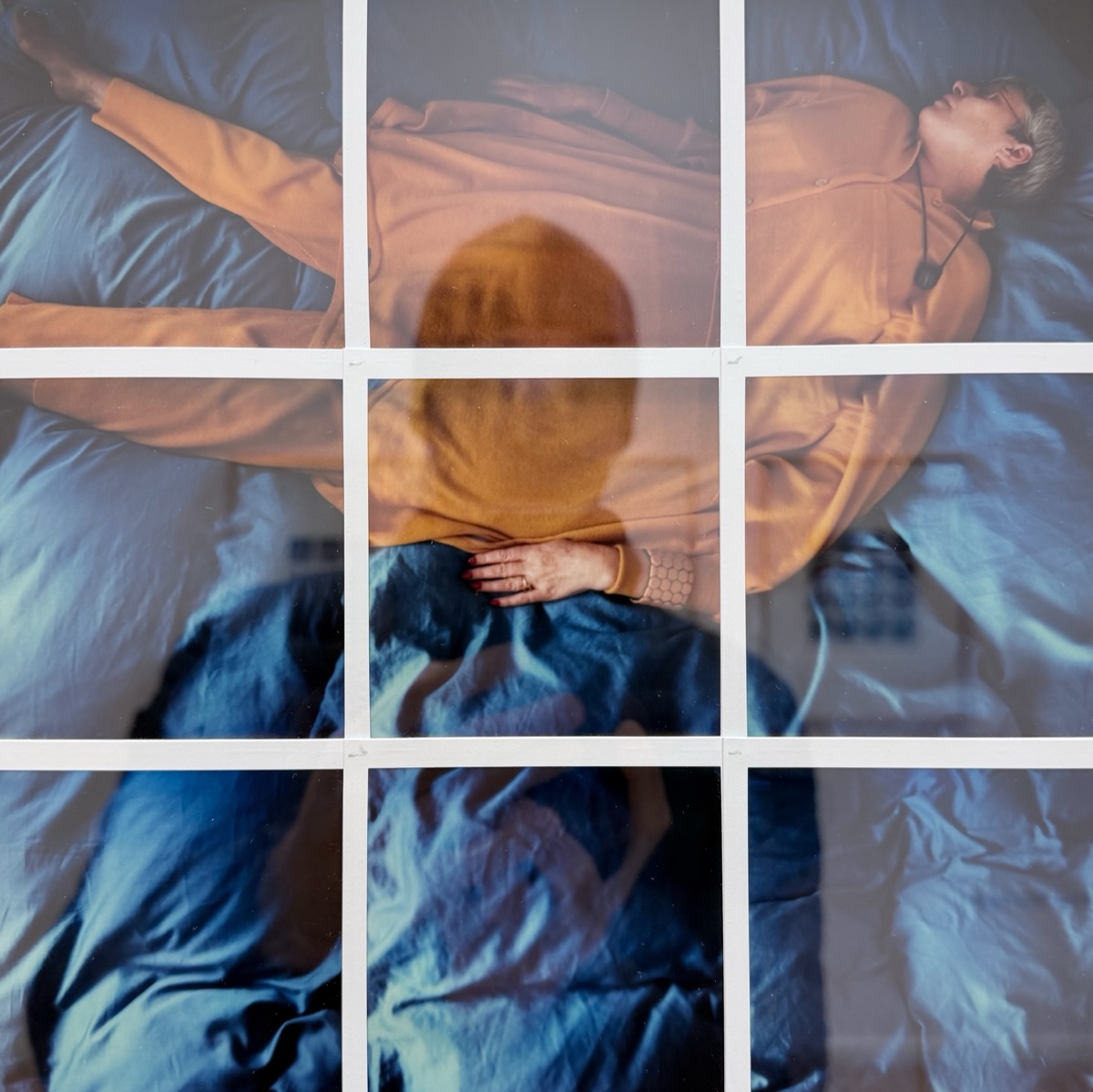 1/100 s, f/1.78, ISO 160, 24 mm, iPhone 17 Pro Max
Lajos Keresztes was born 1933 in Budapest. 1956 he had to emigrate to Germany because of the Hungarian uprising. In Germany he first started studying architecture in Munich from 1957 until 1958. In 1961 he then moved to Cologne where he began studying photography. After his studies he moved to Nuremberg and worked as a freelance photographer and photo designer for many years. He founded a nonprofit photo gallery which he ran from 1980 to 1998. In 1998 he became a professor for photography at the university in Trier.
During his career he took part in numerous solo and group exhibitions, many in Germany but also worldwide. He worked in marketing and advertising, designed countless magazines and book covers and built up a reputation in designing record covers for labels such as EMI, ECM, and Deutsche Grammophon.
He was honored with many photography awards including the World Press Photo Award in 1966, the Kodak Photobook Prize in 1979, and got recognition from the Stiftung Buchkunst in 1989.
Currently and up until May 31st there's the retrospective exhibition "Echos" in the Kunsthaus in Nuremberg about his whole body of word. The now 92 years old Lajos Keresztes is honored for his extensive photographic output and for his vital role in the development of artistic photography all through his career.